
Research Safety
The ORRC works with regulatory compliance committees and other University offices to enforce a safe environment.
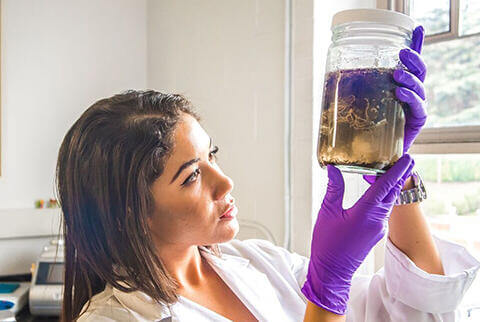
Research safety is a fundamental aspect of scientific inquiry, ensuring that all activities are conducted in a manner that protects researchers, participants, animals, and the environment. It encompasses a wide range of practices and protocols designed to mitigate risks associated with biological, chemical, radiological, and physical hazards. By adhering to stringent safety guidelines, researchers can prevent accidents, minimize exposure to harmful substances, and maintain a secure and ethical research environment.
The ORRC works with the regulatory compliance boards and committees to ensure that Howard University safeguards health and well-being in research, fosters public trust, and supports the integrity of scientific research. This is essential for advancing knowledge while safeguarding health and safety.
Biosafety
Biosafety in research is crucial to protect researchers, the public, and the environment from potential hazards associated with biological agents and toxins. It ensures that laboratory practices, containment procedures, and safety protocols are in place to prevent accidental exposure, infection, or release of harmful organisms. By adhering to biosafety guidelines, researchers can conduct their work safely and responsibly, minimizing risks and fostering public trust in scientific research.
The Howard University Institutional Biosafety Committee (IBC) reviews research that involves biosafety concerns.
Institutional Biosafety Committee (IBC)Chemical Safety
Chemical safety in research is a critical component of maintaining a secure and effective laboratory environment. It involves the implementation of stringent protocols and safety measures to handle, store, and dispose of chemicals properly. By adhering to these guidelines, researchers can prevent accidents, reduce exposure to hazardous substances, and ensure the well-being of all personnel. This commitment to chemical safety not only protects individuals but also supports the integrity and reliability of the research process, fostering a culture of responsibility and care within the scientific community.
The Howard University Biosafety Officer works with the Institutional Biosafety Committee (IBC) to review labs and research that involve chemical safety concerns.
Institutional Biosafety Committee (IBC)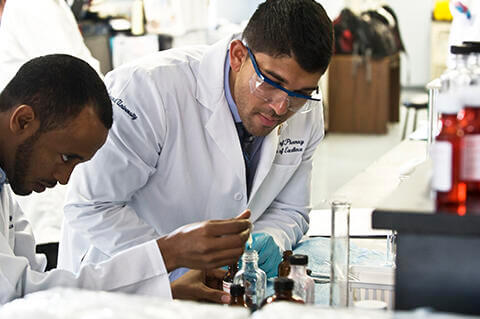
Laboratory Safety
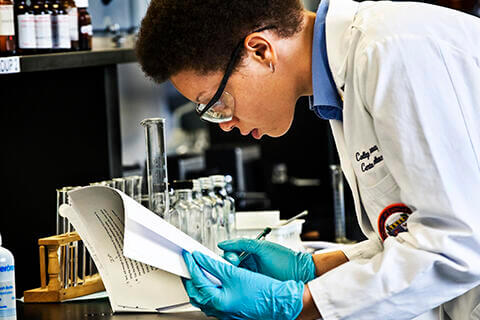
Laboratory safety in research is essential for ensuring a secure and productive environment where scientific inquiry can thrive. It involves implementing comprehensive safety protocols to manage and mitigate risks associated with hazardous materials, equipment, and procedures. By adhering to these guidelines, researchers can prevent accidents, reduce exposure to dangerous substances, and maintain a safe workspace. This commitment to safety not only protects the health and well-being of researchers and staff but also upholds the integrity of the research process, fostering a culture of responsibility and trust within the scientific community.
The University's Biosafety Officer works with other University entities to manage the safety and maintenance of laboratories and laboratory equipment.
Laboratory Safety Manual
Radiation Safety
Radiation safety in research is vital to protect researchers, the public, and the environment from the harmful effects of ionizing radiation. It involves implementing strict protocols and safety measures to control exposure, prevent contamination, and ensure the safe use, storage, and disposal of radioactive materials. By adhering to radiation safety guidelines, researchers can minimize health risks, prevent accidents, and maintain a safe working environment.
The Howard University Department of Environmental Health and Safety (EHS) manages radiation safety at HU.
Department of Environmental Health and Safety (EHS)
Department of Public Safety
The vision of the Department of Public Safety is to provide a safe and secure environment so that Howard University can fulfill its commitment to educating its students for leadership and service to our nation and the global community.
Department of Public Safety